This cultural hub on the Mediterranean coast is one of Europe's top meeting destinations, and rightfully so. It's a picturesque city with countless meeting and event venues, but it's filled too with treasures that beg to be explored and discovered, be they architectural, culinary, historical or otherwise. Like many other EIBTM attendees I met in November, I looked forward to my walks from my hotel to the shuttle that took me to the Fira Gran Via convention center, eager to absorb the city sights.
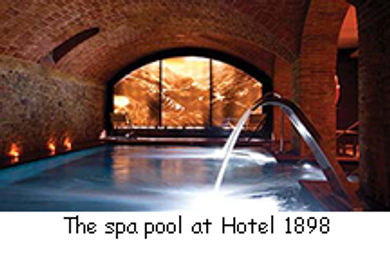
I stayed in the 169-room Hotel 1898, which in many ways represents the aesthetics and design savvy of this city. The hotel is an adaptive reuse of an 1891 colonial structure that originally served as headquarters for the Philippines Tobacco Company. The basement pool in the spa transports guests to the catacombs of old Europe, while the rooftop pool and lounge is hip and contemporary. The hotel offers an acclaimed restaurant, lobby bar and lounge, and five meeting rooms, the largest of which can accommodate up to 200 people with theater seating.
The Hotel 1898 is in Las Ramblas, a heavily touristed area that's also a great spot from which to start exploring the city. It's situated between the Gothic Quarter and El Raval, both teeming with narrow (but generally well lit) streets for wandering. Every turn onto a new block reveals a seemingly hidden tapas restaurant or bakery; many of my walks became self-guided progressive eating tours, built around staples like xuxos (a regional version of a filled churro), pa amb tomaquet (baguette rubbed with tomato and olive oil), seafood tapas made with shrimp or cuttlefish and, of course, jamón ibérico, the thinly sliced cured ham on which the nation seemingly runs. After fortifying oneself in the old city, it's just a short walk to some of the city's most famous modernist architecture on Passeig de Grácia, such as Gaudí's Casa Batlló.
Of course, unique group tour opportunities abound, for attendees less inclined to simply eat their way around town. To continue with this theme of food, I particularly enjoyed Coloratour's insightful look at the Boquería market, Barcelona's oldest and most famous food market. Because the Boquería is very much still a functioning market frequented by locals and restaurateurs, as well as tourists, the tour is for six people or fewer -- and it's ideally done in the morning, when the real shopping happens, before the market becomes too crowded with onlookers. For those who love to cook and/or eat, the tour provides wonderful insight into the regional ingredients and dishes, as well as history about the market itself. The market tour can be done in about 90 minutes, though a longer version (lasting three hours), includes the surrounding Gothic Quarter. Or Coloratour can arrange a market tour with a cooking class afterwards, an appropriate next step after taking in the sights, sounds and smells of the Boquería.
For photography enthusiasts, Foto Ruta provides a variety of walking tours with a professional photographer. I was able to explore the El Born neighborhood, also in the Old City, as part of the Street Scape experience, which included a brief tutorial beforehand, a tour with several photographers, and a casual photo critique at a cafe afterwards. Foto Ruta can create a number of different tours for groups, including the FR Clue team-building event for groups up to 200. The event begins with a creative photography workshop, after which the group is divided into small teams. Equipped with their cameras, a map of the neighborhood and a list of clues, the teams set out to capture images of said clues, scavenger-hunt style. The lists can be customized for each group to represent specific themes or branding. Any of Foto Ruta's tours -- including those dedicated to smartphone photography -- can be customized according to company focus or themes.
View the slide show from my trip here (photos of Hotel 1898 courtesy of the hotel; all others by Michael J. Shapiro).