Tourism Dollars
Tourism -- including meetings and conventions -- has a huge impact on many states' economies. Here's how tourism dollars impacted Florida, Colorado and Minnesota in 2013 (the most recent figures available):
Florida's 93.7 million visitors spent $76.1 billion, generating 23 percent of the state's sales tax revenue and employing nearly 1.1 million Floridians.
Colorado hosted 65 million visitors in 2013, who spent $17.3 billion.
Minnesota welcomed 69 million travelers in 2013, who spent $13 billion.
For many planners, destination marketing organizations are the go-to resource for organizing meetings and conventions in a city or region. But few are aware of another resource -- state tourism offices -- that can provide many services and assistance on a statewide level. A number of these agencies, which traditionally have concentrated their efforts on leisure tourism, are boosting their outreach to meeting professionals. Following, M&C profiles three such entities that are actively courting meetings.
Visit Florida
Among state tourism organizations, Visit Florida has the most established meeting planner outreach and offerings for this market segment.
The bureau represents more than 12,000 industry partners in the state, including major strategic alliances with the Hertz Corp., Legoland Florida Resort, SeaWorld Parks & Entertainment, Universal Orlando Resort and Disney Destinations.
According to Cheryl Hatcher, Visit Florida's director of sales, meetings and travel trade, "With more than 12,000 industry partners, our goal is to connect planners to a perfect destination, hotel/resort, facility or individual they can work with to better make their next meeting a memorable experience."
Among the bureau's planner offerings are complimentary "Cover Your Event" insurance for meetings and events held in the state from August through November, the traditional hurricane season. Another highlight is Florida Encounter, an appointment-based trade show for planners and suppliers held each December in the state.
The bureau also maintains a database of planners and reaches out to them via other mediums, including a dedicated meetings website, an e-newsletter, social media ads and sponsored posts. "Our team at VF participates through partnerships with approximately 10-12 major trade shows, conferences and conventions," explains Hatcher. "Visit Florida takes a leadership role representing the state through speaking before major keynotes or organizing Florida booths encompassing our industry partners."
Visit Florida is a not-for-profit corporation created as a public/private partnership by the Florida Legislature. Additional funding comes from the private sector. (Last year, the bureau raised more than $120 million in private sector matching funds.)
Hatcher admits that some DMOs in the state have a higher profile than others. "However, as our Florida Tourism visitation continues to grow, it is important for us to assist in the education aspect to inform planners of opportunities all over the state to host their meetings and events. It is imperative that we assist in building business in all destinations in Florida."
Looking forward, Hatcher says, Visit Florida's goal is to get to know planners better, "so that we can communicate direct messaging and know who is booking business in Florida and how often." Global visitors are the fastest growing market segment, she notes, therefore the organization is developing more messaging and programs for international planners.
Destination Colorado
An association representing destinations, meeting sites and services throughout the state, Destination Colorado has been in existence since 1993; it was formed by a group of 12 Vail suppliers who wanted the state to have a presence at the (now-defunct) Incentive Travel & Meeting Executives show held in Chicago.
Today, the organization has 120 members and serves as an unofficial meetings-oriented adjunct to the Colorado Tourism Office, a separate entity. According to Destination Colorado executive director Janie McCullough, who has helmed the agency since 1997 and also works as a consultant to the CTO, the latter only recently began promoting itself to meeting planners.
"I think one of the biggest challenges for some state tourism boards is just understanding how different the meetings market is from leisure, which yields such immediate returns," says McCullough."We strongly encouraged the CTO to have more of a presence for group business on their website, develop a plan for some paid media to promote Colorado as a meetings destinations and help support major trade shows being organized by Destination Colorado."
DC is funded primarily by membership dues, revenues generated from some proprietary events, advertising on its website and newsletters, and an annual grant from the CTO.
The group's primary focus is on domestic planners and buyers, and its main aim is to coordinate a number of different opportunities for this market, including representation at national trade shows like IMEX America; road shows in key markets like Dallas and Chicago; a monthly newsletter that provides updates on renovations, personnel changes, hot deals and more; and the annual Destination Colorado Front Range Trade Show, which brings together some 80 exhibitors and 250 planners.
The agency's website is another key offering to the meetings market, allowing planners to research venues and services at myriad destinations within the state. "There is a simple request-for-proposal process on the site that allows planners to reach out to one or 100 suppliers, depending on their needs," notes McCullough.
The organization is now trying to benchmark how many booked events are attributable to their efforts. "While we can measure RFPs, show leads, etc., it is difficult getting the members to report back on actual bookings, because many times they don't remember where the lead originally came from," says McCullough. "So we try to reach out on a regular basis to remind them to share the details with us."
Among future efforts, Destination Colorado plans to launch several new road shows and continue to expand its planner database.
Explore Minnesota
Explore Minnesota's meeting and convention promotions fall under the realm of its industry outreach unit and operates as Meet in Minnesota. The group coordinates with communities around the state to create better awareness of Minnesota as a meetings destination and helps develop the state's identity at major national meetings-industry shows, such as those held by ASAE, the Center for Association Leadership; Meeting Professionals International; the Society of Government Meeting Planners, and the Religious Conference Management Association.
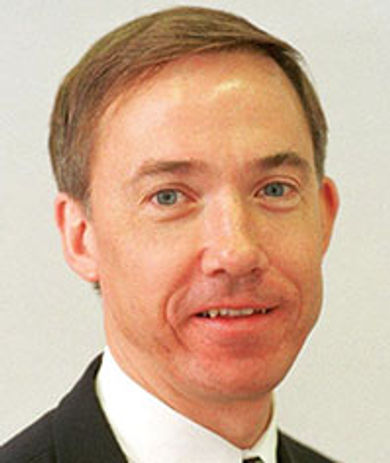 John Edman,
Explore Minnesota
John Edman,
Explore Minnesota"The biggest challenge is getting people to come see Minnesota for the first time," says John Edman, director of EM. "Once they have been here, they are impressed with the reality vs. the stereotypes."
The bureau has a number of offerings and services geared specifically to planners, including a dedicated meetings website with an online RFP function. "We have a two-tiered approach to allow smaller communities to address meetings and conventions in their target market and size, as well as promotions for the larger meetings destinations," says Edman.
EM is financed through a general fund appropriation of the Minnesota State Legislature and is required to generate matching funds for a portion of its budget.
"We've seen a growing interest in collaborating with members to reach the meetings market," says Edman, who notes that meetings funded from the state have increased in the past two years. "We foresee continued growth in [meetings] programs as we create greater awareness and success."