Standard customs forms ask if a trip is intended for business or leisure, but for a growing number of travelers, the real answer is "both." While tacking a few vacation days onto a business trip is hardly a new phenomenon, almost half of meeting professionals surveyed recently by M&C report that the practice has become more prevalent in recent years (see Research).
The hospitality industry has taken notice, too. In targeting customers who combine business and leisure, hotels and destinations have even coined a new term: bleisure. The word might not have entered the general lexicon just yet, but it is popping up in hotelier conclaves, on social media platforms and in innovative marketing campaigns.
The phenomenon also impacts planners by adding a new twist to hotel negotiations, as extended group rates and projected vacation spend factor into the mix. Here's a deeper look at the burgeoning bleisure market and what it means to meetings.
Hotels add leisure lures
According to a survey conducted by online travel booking giant Expedia of some 8,535 global business travelers, the mixing of work and leisure during business trips is widespread and particularly favored by Millennials -- the generation spanning ages 18 to 30. The survey, released last October, found 62 percent of Millennials had extended a business trip into a personal vacation, compared with 51 percent of those between ages 31 and 45, and 37 percent in the 46-to-65 age range.
Hotels are courting this bleisure business with a number of ploys.
• London-based Accor announced a new branding strategy last May for its upscale Pullman Hotels & Resorts, which included a new motto, "Work Hard, Play Hard," and the company has since begun to promote Pullman as a space for both meetings and short weekend breaks.
The brand's new attitude is built entirely around bleisure. "To differentiate ourselves in this market, it is imperative that we offer our guests emotion," said Gregoire Champetier, the company's global chief marketing officer, in a statement. "Every trip must be an enriching experience that enhances performance and creativity at work without losing sight of the enjoyable and social dimension of travel. We have rethought Pullman's positioning to respond to this fundamental trend."
To help convert business travelers to extended leisure guests, Pullman has launched a Connectivity by Pullman promotional package at more than 50 of its hotels, which includes features such as discounts at its bars and restaurants, on-demand television programs, a complimentary breakfast buffet and free Internet access.
Pullman also is putting design muscle behind its new branding. Among iconic objects being created to become staples in its hotels are meeting room tables designed to look like poker tables, private areas for informal breaks or conversation, curio cabinets and lobby armchairs that resemble train carriage seats, drawing on the brand's railroad origins. In addition, Pullman is ramping up its food-and-beverage offerings and making technology a centerpiece of the guest experience.
• Westin Hotels & Resorts rolled out a weekend package last year that includes late checkout, extended breakfast hours, and in-room information about local attractions and events, all aimed at enticing business travelers to add leisure time to their trips.
"Extending the group rate pre- and post-meeting is actually the number-one request of our groups," says Bob Jacobs, vice president, brand management, Sheraton & Westin North America. "Millennials in particular extend their stay to personal time. But we are also looking at adding more activities and amenities for any attendees who bring their families along, because it is such a hot topic right now. I would say to stay tuned."
• While Westin was the first of parent company Starwood Hotels & Resorts Worldwide's nine brands to respond to the bleisure trend, Sheraton Hotels & Resorts also is getting into the game. In 2012, the brand launched a wine-tasting social hour at 240 participating hotels around the globe. Typically, the social hour is held three to four times during the work week, but many properties are extending it through the weekend to cater to business guests staying on.
• At the Universal Orlando Resort, comprised of four hotels operated by Loews Hotels & Resorts, vice president of resort sales Kathy Cattoor says the negotiated group room rate is offered to meeting attendees for three days before and three days after an event. "We are definitely seeing an increase in attendees coming before or staying after their program to enjoy a family vacation, or just a getaway for themselves," says Cattoor. "Overall, about 20 percent of attendees tack on personal time to their trip. For Millennials, I would say 30 percent. They seem to take more time for themselves."
While she has not seen bleisure business specifically mentioned in requests for proposal just yet, it is a topic Cattoor brings up with clients, noting that the extended group rate is add-on value for attendees who decide to stay on property before or after the meeting. It's also a point planners can use to market their event, often along with perks such as free transportation to nearby attractions, priority seating at select on-site restaurants and early admission to the resort's new Wizarding World of Harry Potter attraction, so attendees can beat the general crowds.
"We can offer options to the planner," says Cattoor. "For example, our Universal event sales department sells afternoon tickets to our parks at special prices, so the attendee can join his or her family after the meeting is over."
Destinations make a play
Some destinations are stepping up their marketing efforts and creating new packages and promotions to attract the bleisure segment. Among them:
• The Hawaii Tourism Authority is touting increased air service, including the twice-weekly nonstop service Air Canada is set to launch on Nov. 26 between Toronto and Honolulu, and the new daily, year-round service from Los Angeles to Maui that began this July.
Brian Lynx, vice president, meetings, conventions and incentives, at the HTA, believes the added airlift will increase group business and spur the overlap of attendees into leisure business. "Most of our hotels offer groups extended negotiated rates, sometimes five days before and after the conference dates, and that is not just for Honolulu citywides," says Lynx. "This is also true of neighboring islands. Travelers will no longer have to choose between business and leisure, because they can have both."
• In Myrtle Beach, S.C., Dana Lilly, CMP, director of sales for the Myrtle Beach Area Convention & Visitors Bureau, sees the bleisure segment growing, particularly for attendees with families in tow. In fact, she says, planners should be aware of how much bleisure business their event attracts, because it creates additional leverage for negotiations with hotel and venues.
To sweeten the appeal for leisure extensions, Lilly's bureau has created Trip Planner, an online program that allows attendees to select and clip discount coupons worth hundreds of dollars from a list of dozens of local attractions, from golf courses and retail shops to restaurants and entertainment.
"When we consider a piece of business," Lilly says, "it's total value we look at, and that includes pre- and post-business and the total numbers of people the event will bring in, not just attendees. All the businesses in our Trip Planner offer the same discounts to families as they do to attendees."
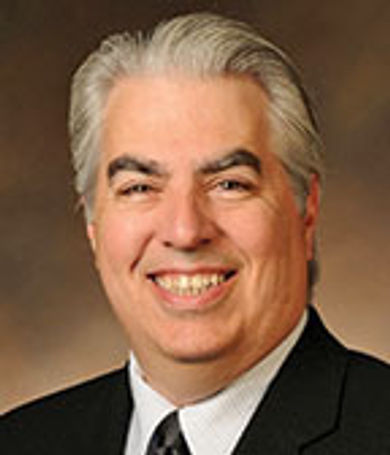 Fred Shea,
Visit Orlando
Fred Shea,
Visit Orlando • Orlando has courted the bleisure market long before it was given the moniker, says Fred Shea, senior vice president of convention sales and services at Visit Orlando, the destination marketing organization. What has changed, he adds, is that planners are openly acknowledging that their attendees are coming to the area for business but also want time for themselves.
"At one time, it seemed to be a concern for groups to come to a destination they felt they might loose their attendees to, but not anymore," says Shea. "Now, they treat their attendees like adults, and the new generation coming up is an experience-driven one. They don't just want to go to the meeting -- they want to experience everything the destination has to offer."
To assist planners, Visit Orlando works with the area's famous amusement parks to secure discount tickets for convention delegates and also offers a complimentary Magicard loaded with exclusive deals and discounts at various attractions, hotels, restaurants, shops and spas, to encourage attendees to arrive early or extend their stay.
It has long been standard practice for Orlando hotels to offer the negotiated group rate up to three days before and after an event, according to Stephanie Naegele, vice president of sales operations at Visit Orlando. "It's not even a question. It's automatic," she says. "And planners can really leverage that side of their business, in terms of total spend, because hotels definitely will pay attention when evaluating a group's revenue potential."